
The Willpower Myth
If you’ve ever wondered why it feels so hard to stick with healthy eating and activity habits even though you know they work, and even though you genuinely want to, this one’s for you.
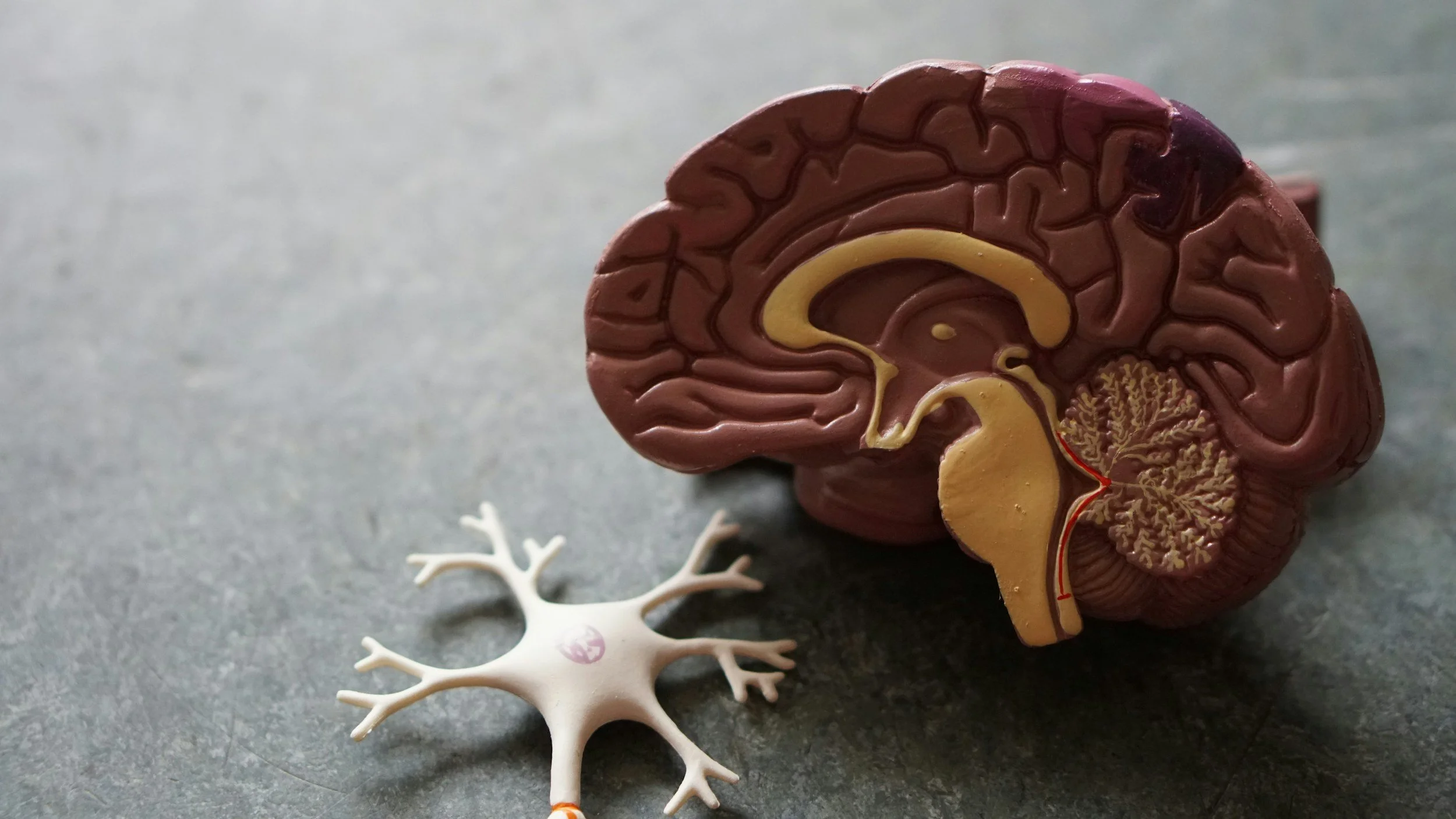
And yes… we’re going to talk about your nervous system. Stay with me. It’s about to make your whole life make a lot more sense.
Let’s start (briefly) talking about the nervous system more generally. The nervous system has 2 parts- the somatic nervous system and the autonomic nervous system. You have direct control over the somatic nervous system, this system is what gets your hand to move when you think you’d like to turn the page of your book..
We do not have direct control over the autonomic nervous system. It’s running in the background doing all the things you need to stay alive, but don’t have to think about- regulating your heart and breath rate, digesting and absorbing food, stopping or stimulating the release of sugar into your blood, AND (here’s where this is important) deciding when to pump out stress hormones like epinephrine.
Why do I (your dietitian) care about your stress level?
Stress physiology (AKA what happens in your body when you experience stress) is one of the biggest drivers of chronic diseases AND one of the biggest barriers to making the changes you need to make to prevent chronic diseases.
You’re probably thinking of stress form work, family dynamics, school projects, managing a chaotic schedule, or worry anxiety about *gestures wildly* uh, the world.
Here’s the thing though- those aren’t actually stress, those are stressors. Stressors are circumstances (like a big project, a stuck thought pattern, fight with your sister, or a packed weekend schedule) that kick off a stress response inside your body.
The Stress response is what our nervous system instructs our body to do to prepare for the perceived threat of the stressor. Adrenaline is released, which speeds your heart rate delivering more blood to your arms and legs and increases your blood sugar so those muscles are prepared for fighting or fleeing from the threat, and cortisol is released to sustain that as needed.
This process is what has kept humans alive for thousands of years and we do NOT want to stop it entirely. However, most of our current stressors do not require physical fighting or running from a threat, which can mean that our nervous system can stay stuck in the “fight or flight” mode and that makes us vulnerable to chronic diseases like high blood pressure, diabetes, heart disease, and autoimmune issues.
So, TLDR: when you encounter stressors, your body goes into fight or flight mode and that changes your blood pressure, blood sugar, digestion, and immune function. If that fight or flight mode doesn’t get turned off, your risk of chronic health issues rises exponentially.
Here’s the good news- Now that we know what the issue is, we can take measured, reasonable steps to work on stress resiliency- yay!
And I don’t mean quit your job or tell your mother-in-law to mind her own business or do a silent retreat. Or even go on vacation or get a massage or start meditating for 30minutes/day (but go ahead if you like those things!)
While we can’t usually change our stressors, we CAN change our reaction to those stressors and that’s key to helping protect us from health issues AND setting us up to be able to make choices that align with our goals (this is where willpower gets unfairly blamed).
The tools I use in my practice to help my clients get better at managing their stress response are called Emotional Brain Training (EBT for short), which you can learn more about here.
Essentially, EBT is a specific set of verbal prompts that walks you through your emotions about a specific stressor and allows your brain to do what it know how to do- progress through a natural flow of emotions and leave you feeling calm, connected to yourself, and MUCH more relaxed.
This set of tools has been an absolute GAME CHANGER for my practice- letting yourself feel your feelings about something that’s bothering you makes you feel much better in the moment AND when you feel better, your biochemistry changes to promote healing, growth, and decisions that align with your purpose and values.
I’ve seen some amazing things including someone who was able to completely walk away from binge eating in the evening after spending the last 5 years trying other methods (mostly restriction) to stop the very same habit! It’s pretty awesome stuff.
If you’re feeling stuck in a stressful pattern, or have an idea of some health habits you want to start but just can’t seem to be consistent with, EBT might be the answer you need too!